The Whau River Catchment Trust has put out a call for a skilled volunteer to bolster its marketing and communications, a move aimed at increasing community engagement and accelerating the restoration of one of West Auckland’s most significant waterways.
Based in Blockhouse Bay, the environmental charity is dedicated to reviving the Whau River's ecosystem. The trust says its mission depends on help from the local community, and it needs a volunteer with marketing skills to spread its message to a wider audience. The role involves using social media and the trust's website to promote events, share progress, and ultimately recruit more volunteers for its conservation projects.
The ideal candidate would have a background in marketing, media, or communications and be able to commit several hours each week. According to the trust, the position is crucial for getting information about their work 'out to as many people as possible' to build a stronger volunteer base.
A vital corridor in need of care
The Whau River is not a river in the traditional sense, but a tidal estuary of the Waitematā Harbour. Its 8-kilometre course winds through suburbs like Green Bay, Avondale, and New Lynn, and has played a significant role in the area's history. For Māori, the river formed part of the famous Te Whau portage, a vital canoe link between the Waitematā and the Manukau Harbour on the other side of the isthmus.
In more recent history, however, the catchment has faced significant environmental challenges. Decades of urbanisation and industrial activity led to pollution, with stormwater runoff carrying contaminants and sediment into the waterway. This has degraded water quality and damaged the habitats of native plants and animals that once thrived along its banks.
Despite these pressures, the catchment remains a vital green corridor in the heart of urban Auckland. It provides a habitat for birdlife and a space for community recreation. Recognising its importance, local government and community groups have focused on its restoration, viewing it as a key part of improving the overall health of Auckland's aquatic environment.
Trust spearheads community-led restoration
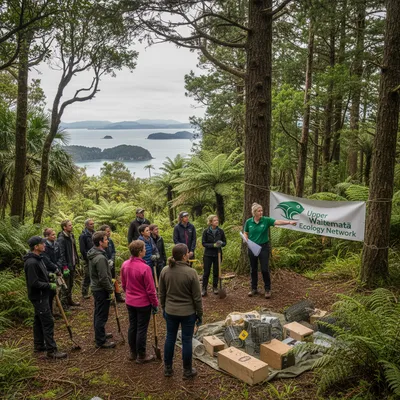
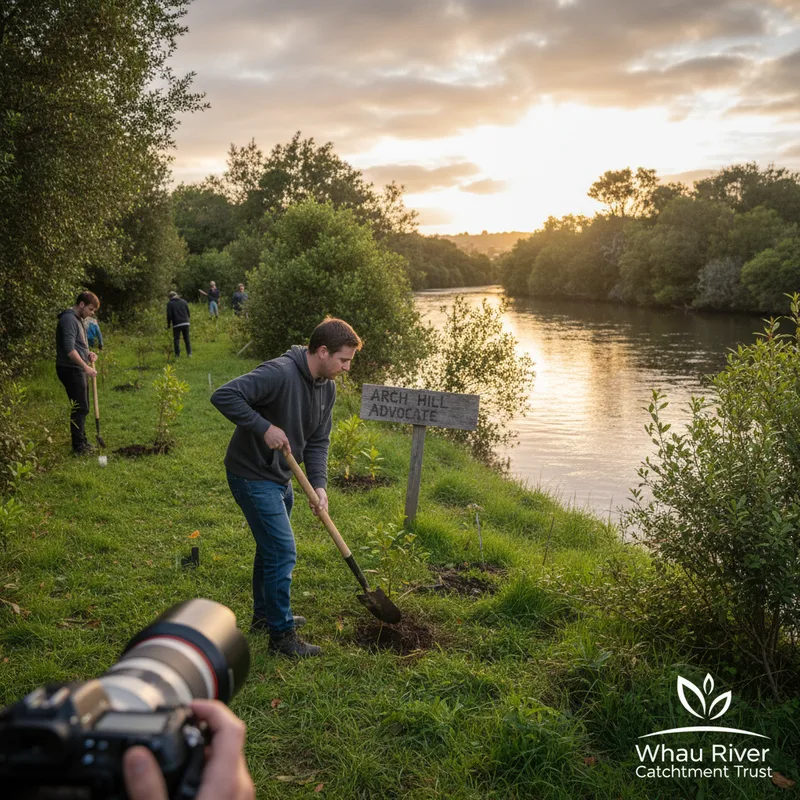
The Whau River Catchment Trust is at the forefront of this environmental turnaround. Its work is varied and hands-on, focusing on practical initiatives that make a tangible difference. Volunteers are involved in everything from planting thousands of native trees and shrubs to removing invasive pest plants that choke out local species.
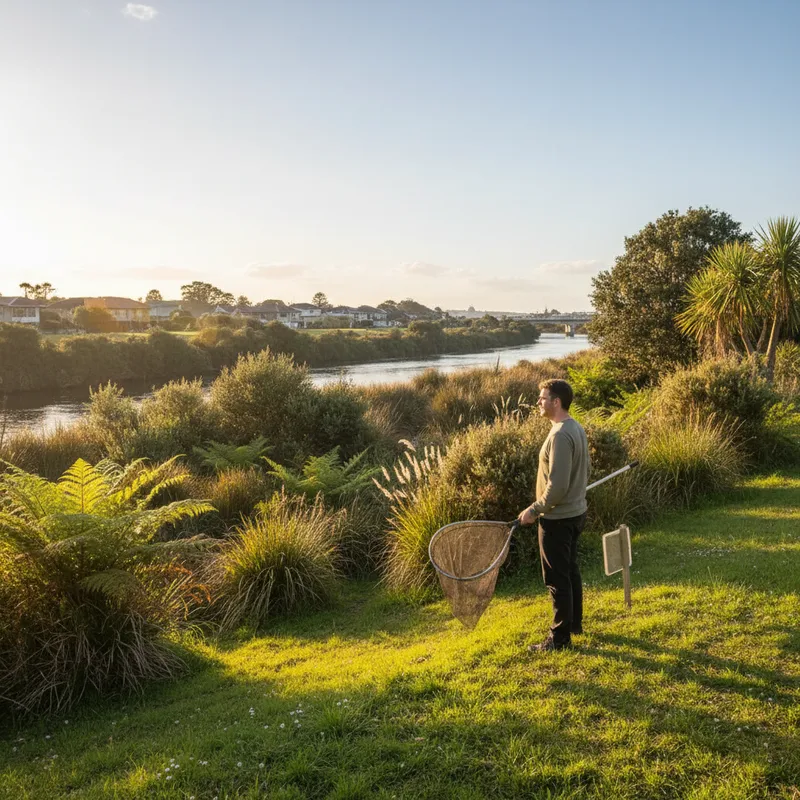
Regular clean-up events are organised to remove rubbish from the river and its banks, preventing plastic and other waste from washing into the Waitematā Harbour. The trust also runs educational programmes with local schools, fostering a new generation of environmental guardians and raising awareness about the importance of the catchment.
These efforts are helping to slowly bring the river back to life, creating healthier habitats for wildlife and improving the water quality. A central part of this revival is the Te Whau Pathway, a major walking and cycling route being developed along the river. Once complete, it will provide a 15-kilometre link between the Waitematā and Manukau harbours, opening up the waterway for a new level of community access and appreciation.
This community-centric approach is the foundation of the trust’s strategy. It relies on the power of local people contributing their time and energy to heal their own environment, creating a powerful sense of collective ownership and achievement.
Call for a marketing 'maestro'
To continue this momentum, the trust is seeking what it calls a 'social media and marketing maestro'. The volunteer will be responsible for creating engaging online content that tells the story of the river's restoration and inspires others to get involved. Tasks will include managing the trust’s social media accounts, advertising upcoming planting days and clean-up events, and keeping the website updated.
The role requires a proactive individual who understands how to craft a compelling narrative and connect with an online audience. The trust suggests a time commitment of several hours per week during its regular working hours of 9am to 4pm, Monday to Friday.
The impact of this volunteer role extends far beyond managing a Facebook page. By effectively communicating the trust’s mission and successes, the marketing maestro will play a direct part in growing the volunteer workforce. More volunteers mean more trees planted, more weeds removed, and a faster path to a healthier river system. It’s a unique opportunity for someone to apply their professional skills to a grassroots environmental cause.
The broader impact on Auckland's waterways
The health of urban estuaries like the Whau has a direct impact on Auckland's greatest natural asset, the Waitematā Harbour. Environmental experts at Auckland Council note that contaminants and sediment from urban catchments are a primary source of pollution for the city's harbours.
By restoring native bush along the riverbanks, the trust helps to create natural filters that trap sediment and pollutants before they can enter the water. This work complements wider council initiatives aimed at improving water quality across the region. The revitalisation of the Whau is a piece in a much larger puzzle, contributing to the ecological health of the entire harbour, which is also home to major economic hubs like the Port of Auckland.
The long-term vision is a thriving ecosystem where native birds, fish, and insects flourish, and where the community can connect with nature on their doorstep. A revitalised Whau River would serve as both a wildlife sanctuary and a recreational asset for thousands of Aucklanders.
The first step for anyone with the right skills and a passion for the environment is to express their interest through the Volunteering Auckland website, which will connect them directly with the trust to discuss the role further.