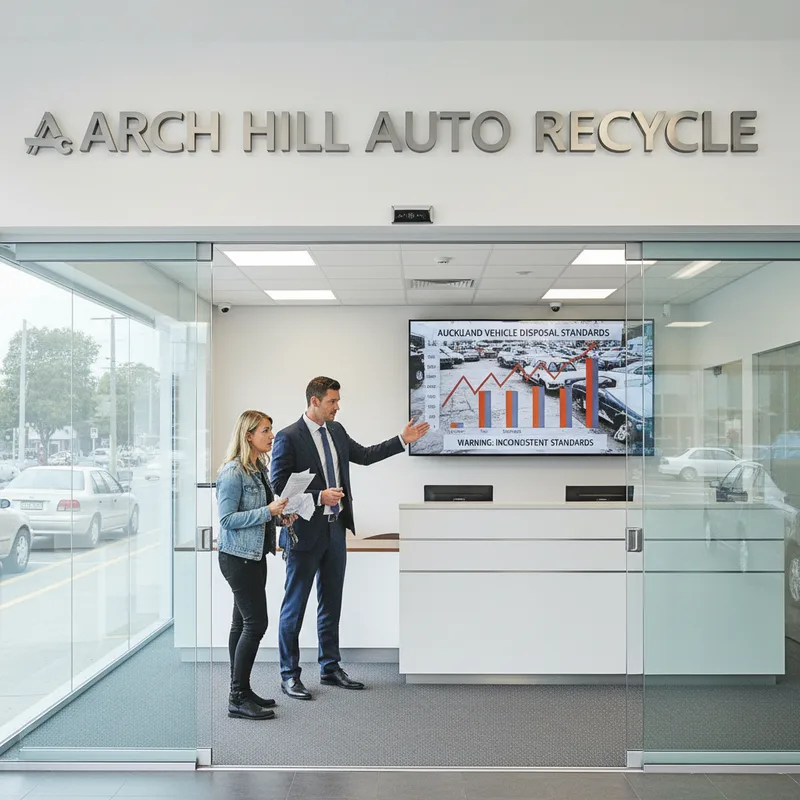
Auckland households selling unwanted vehicles are navigating a "lottery" of inconsistent service standards, with significant differences in operator quality and pricing across the region, a local industry player has warned.
Cash For Cars Auckland, a vehicle purchasing and recycling service covering the entire metropolitan area, says continued demand has highlighted a growing need for consistent, transparent, and city-wide standards for vehicle disposal. The company states that while the market is competitive, this same competitiveness has led to a wide spectrum of experiences for sellers, not all of them positive.
A spokesperson for the company said that the scale of the Auckland market sets it apart, but this also creates inconsistency in what sellers actually experience. They said a seller's experience should not depend on which suburb they happen to live in. The company's position is that the standard for service should be the same everywhere, covering the quote, collection, payment, and paperwork, whether the vehicle is in Manurewa or Mount Roskill.
A tale of many suburbs
As New Zealand's largest city, the Auckland region represents a huge share of the country’s vehicle fleet and turnover. Its vast geographical spread, from the lifestyle blocks of Franklin in the south to the growing communities around Wellsford in the north, creates a uniquely diverse market.
Different parts of the city generate distinct patterns of end-of-life vehicles. Established, older suburbs like Devonport on the North Shore and Mount Eden in the central isthmus, whose stories are captured in everything from property records to digital archives, often produce a steady stream of estate vehicles. Meanwhile, the rapid construction of apartments and denser housing in areas like Takapuna and the central city leads to downsizing-driven disposals as households reduce the number of cars they own.
In the industrial and commercial corridors of Penrose, East Tamaki, and Māngere, business fleet rotations are a primary source of used vehicles. Across the sprawling suburbs of West and South Auckland, the turnover of family cars, vans, and utes is constant. Compounding this is a steady volume of accident-damaged vehicles from across the entire road network.
Against this backdrop, sellers encounter a confusing market with dozens of competing operators. Some offer a professional service with clear communication, but many others create problems for unsuspecting consumers. These issues can leave sellers out of pocket and, in some cases, with lingering legal responsibilities for a vehicle they thought they had sold.
Risks for sellers

According to the company, the variance in operator quality can cost sellers real money and significant stress. A common tactic involves providing an attractive quote over the phone, only to have the driver renegotiate the price downwards upon arrival, citing issues with the vehicle that were already disclosed.
Other pitfalls include charging unexpected fees for collection or administration, delaying payment for days or weeks after the vehicle has been taken, or failing to provide the correct documentation. This last point is critical, as sellers need the paperwork to formally cancel their vehicle’s registration with the New Zealand Transport Agency (NZTA) and claim a refund for any unused licence fees.
A spokesperson for Cash For Cars Auckland said that most people only go through the process of selling a scrap vehicle once every few years and lack the time to determine which operators are reputable. They argued that sellers should not have to become experts to get a fair deal. In a city where living costs are a constant concern, with many Aucklanders looking for ways to make their money go further, such as finding the city's best budget lunches, getting a fair and final price for an old car is crucial.
Protecting consumers and the environment
In response to this inconsistency, the company is advocating for a uniform standard based on transparency and reliability. This includes providing an upfront quote that is confirmed before dispatching a tow truck, offering free collection across the entire region, and guaranteeing payment in full at the time of pickup.
Crucially, a reputable service also manages all the NZTA paperwork on the spot, ensuring the vehicle is correctly recorded as sold and releasing the seller from any further liability. They accept vehicles of all types, from passenger cars and utes to light commercial vans and even the first wave of electric vehicles now reaching the end of their lifespan.
Beyond protecting consumers, consistent standards play a vital role in the environmental management of end-of-life vehicles. When handled by responsible operators, cars are systematically depolluted. This process involves draining all hazardous fluids like oil, petrol, and coolant, removing the battery for separate processing, and safely capturing harmful refrigerants from air-conditioning systems.
Following depollution, reusable parts such as engines, transmissions, alternators, and body panels are harvested for the second-hand and export markets, supporting a circular economy. The remaining metal shell is then processed through industrial shredders, with modern recycling techniques achieving a material recovery rate of 75 to 85 per cent by mass. This makes automotive disposal one of New Zealand’s more advanced recycling streams when done correctly, preventing thousands of tonnes of waste from entering landfills while providing a valuable source of recycled steel and other metals.
Demand for vehicle disposal services is expected to stay strong over the next year. This is attributed to several factors, including the aging national vehicle fleet, ongoing urban transitions in Auckland, and fleet rotations among the city's businesses. The City of Sails offers plenty of ways to enjoy life without a car, with guides often pointing to fun things to do across Auckland that are easily accessible by public transport.
Cash For Cars Auckland stated that this combination of factors will continue to drive a steady stream of end-of-life vehicles into the disposal market, making the need for trustworthy and consistent operators more important than ever. The company expects to see a continued demand from households and businesses looking for a straightforward disposal process through the coming year.