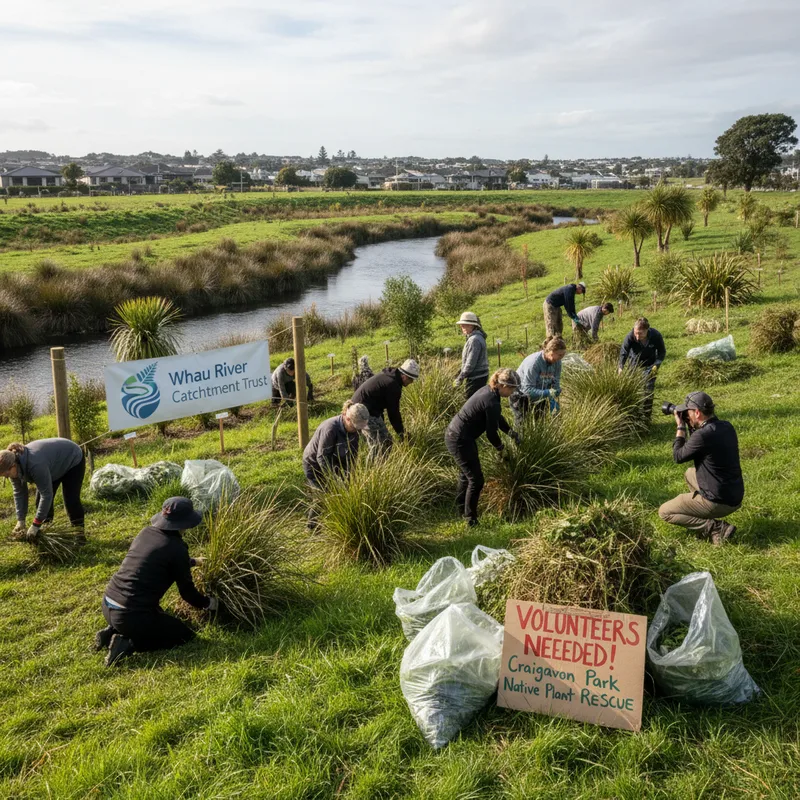
The Whau River Catchment Trust is calling for community members to join a native plant rescue mission at Craigavon Park in Blockhouse Bay on Saturday, 3 May 2026.
The non-profit environmental group is organising a weeding bee to tackle invasive grasses that are encroaching on native species. The event aims to clear space for the local flora to flourish, contributing to the ecological restoration of the Whau River catchment area.
The volunteer morning will run from 9:30 am to around midday. No previous gardening or conservation experience is necessary, as guidance will be provided on the day to help participants distinguish between the native plants and the weeds they will be removing.
A call for community conservation
The event presents an opportunity for West Auckland residents to actively participate in the preservation of their local environment. Such community-led initiatives are vital for maintaining biodiversity in urban green spaces, which face constant pressure from invasive species. These non-native plants can outcompete indigenous flora for resources like sunlight, water, and nutrients, leading to a decline in the overall health of the ecosystem.
By removing the weedy grasses, volunteers will not only be helping the native plants but also contributing to the health of the wider park ecosystem, which provides a habitat for native birds and insects. The Whau River Catchment Trust has a long history of delivering restoration projects throughout the area, relying heavily on the support of the community to achieve its goals.
The work of local conservation groups aligns with broader national efforts to protect and enhance New Zealand's unique natural heritage. Organisations like the Department of Conservation often partner with community trusts and volunteer groups to carry out on-the-ground work that is crucial for large-scale ecological success.
These hands-on events also serve to strengthen community bonds, offering a chance for people to connect with their neighbours and develop a shared sense of stewardship for their local parks. Learning about the local environment can foster a deeper appreciation for the natural world and inspire ongoing involvement in conservation activities. For those interested in local history and how the landscape has changed over time, digital archives can offer a window into Arch Hill's past.
Joining the effort
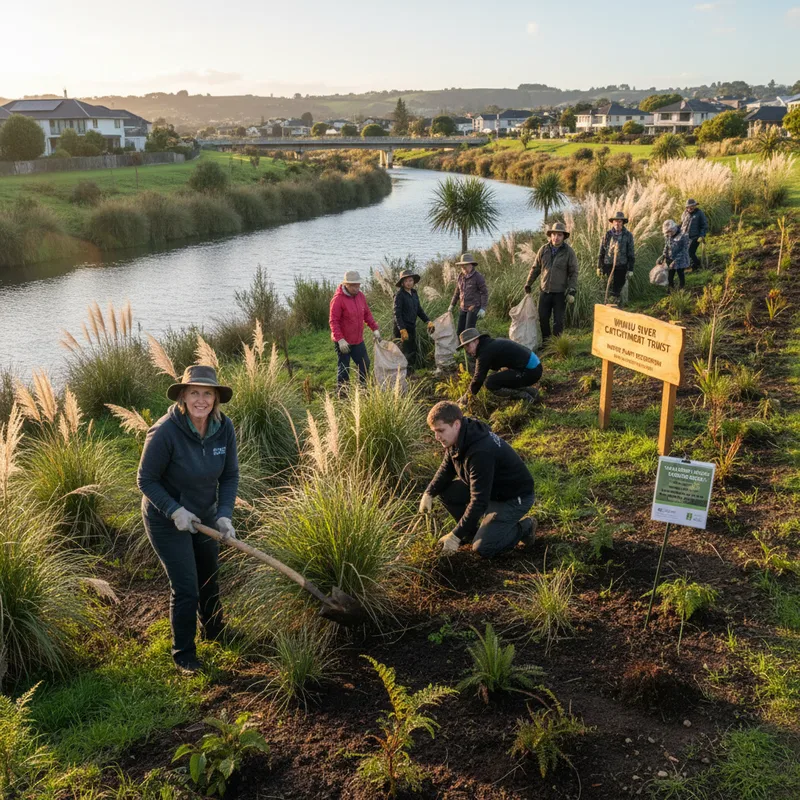
Those interested in participating are advised to come prepared for a morning of outdoor work. The Trust recommends wearing sturdy, closed-toe shoes such as hiking boots or gumboots. Clothing should be comfortable and suitable for gardening, and it's wise to bring sunblock, a sunhat, and a raincoat, as the event may proceed even with light rain.
Volunteers should also bring plenty of drinking water to stay hydrated throughout the morning. The meeting point is on the grass just below the Connaught Street carpark. While the event is open to all ages, any volunteers under the age of 12 must be accompanied by an adult supervisor.
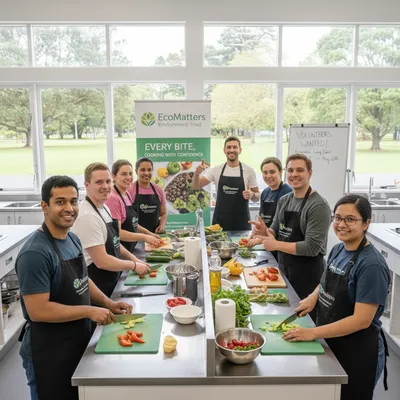
The time commitment is flexible, up to 2.5 hours, allowing people to contribute as much time as they are able. This accessibility is key to encouraging wide participation, similar to other local initiatives like the accessible cooking event organised by EcoMatters. Getting to Craigavon Park is straightforward, and information on local transport options can be found in a guide to getting around Arch Hill.
The broader context of urban conservation
The initiative in Blockhouse Bay is part of a global movement of community-driven conservation. Around the world, volunteer groups are playing an increasingly important role in protecting and restoring native ecosystems. For example, groups like the Colorado Native Plant Society, founded in 1976, were established to encourage the appreciation and conservation of native plants and ecosystems, a mission that resonates with the work being done in the Whau catchment.
These organisations often begin with a small group of passionate individuals and grow into significant forces for environmental protection. They provide educational opportunities, advocate for conservation policies, and, most importantly, mobilise volunteers to carry out essential restoration work. This model has been successfully replicated in numerous regions, demonstrating the power of grassroots action.
In an era of increasing urbanisation, the work of such groups is more critical than ever. Urban green spaces like Craigavon Park are not just recreational areas; they are vital ecological corridors and refuges for biodiversity. Protecting these spaces requires a collective effort, and volunteer events are a practical and effective way for citizens to become directly involved in the stewardship of their local environment, a challenge that even affects major metropolitan areas like Greenfields, where a 200-year-old tree is now protected.
A legacy of environmental stewardship
The Whau River itself has a rich history, having been a significant food source and transport route for Māori for centuries. However, urban development and industrialisation in the 20th century led to significant pollution and degradation of the river and its catchment. The formation of the Whau River Catchment Trust and other community groups marks a concentrated effort to reverse this damage and restore the waterway to a healthy state.
This upcoming weeding bee is a small but significant part of that larger, ongoing story. Each volunteer's contribution helps to turn the tide, creating a healthier and more resilient ecosystem for future generations to enjoy. The Trust encourages anyone interested in making a tangible difference in their community to express their interest by filling out the application form on the Volunteering Auckland website.